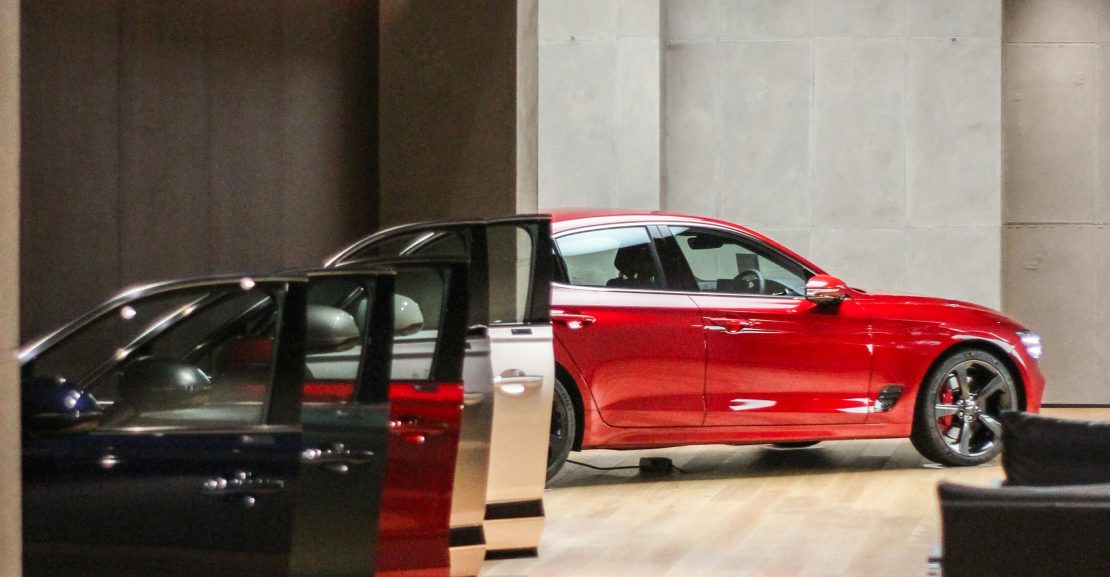
Choosing a luxury car in Nigeria isn’t only about looks or badge prestige, it’s about how the car handles Nigerian roads, fuel and parts availability, resale value, status, and the total cost of ownership. Below I’ve picked five vehicles that strike the best balance of prestige, comfort, durability and market practicality for Nigerian buyers in 2025. This post will explain what makes each one stand out, who it’s best for, ballpark price guidance (Naira), and smart buying tips.
1) Land Rover Range Rover (Vogue / Autobiography) the ultimate status SUV
Why consider it: The Range Rover is the image-defining luxury SUV in Nigeria, spacious, supremely comfortable, and built for both city boulevards and rougher roads. It’s a top pick for executives, entrepreneurs, and anyone who wants best-in-class luxury, off-road capability and presence.
Pros: Iconic design, plush interior, strong off-road systems, excellent ride comfort.
Cons: High purchase price; maintenance and parts can be expensive; fuel thirst on larger engines.
Ballpark (Nigeria): Brand-new/autobiography models can list from several hundred million Naira depending on specs; used examples vary widely. Local listings show new/near-new Range Rovers at high-end price points.
Best for: Buyers who value prestige and comfort and can afford premium maintenance.
Buying tips: Buy from reputable dealers or trusted importers, verify duty/EUC paperwork, ask for full service history, and budget for higher servicing bills.

2) Mercedes-Benz S-Class — the flagship executive sedan
Why consider it: For chauffeured luxury or the owner who wants peerless interior comfort and cutting-edge tech, the S-Class remains the benchmark for executive-level sedans. It’s a signal of executive status and offers advanced safety and comfort features.
Pros: Industry-leading comfort and tech, refined engines, excellent cabin isolation.
Cons: Costly parts and service for older models; electronics complexity can mean pricier repairs.
Ballpark (Nigeria): S-Class models are available in the Nigerian market across new and used channels pricing varies by model year and duty status. Check local dealer listings for current availability.
Best for: Corporate executives, diplomats, and buyers who prioritize back-seat comfort and prestige.
Buying tips: Prefer low-mileage, dealer-inspected units. Confirm software updates and full service history. Ensure your preferred workshop is experienced with Mercedes high-voltage electronics and air suspension systems.

3) Toyota Land Cruiser (200 / 300 series) — rugged luxury with legendary reliability
Why consider it: In Nigeria, the Land Cruiser is often the most sensible “luxury” purchase: it combines off-road ability, enormous durability, great resale value and easier access to parts and technicians compared with some European brands. It’s a common choice for buyers who need luxury and go off-grid.
Pros: Exceptional reliability, strong resale value, proven off-road credentials.
Cons: Big fuel consumption on larger engines; not as “flashy” as European flagships.
Ballpark & notes: The global 2024/2025 Land Cruiser updates emphasize capability and modern tech; Nigerian pricing for new or imported examples is high but the model holds value well.
Best for: Buyers who need dependable luxury for mixed city/off-road use, business owners, frequent travelers to remote sites, families.
Buying tips: Inspect chassis rust and service history on used imports, confirm whether the model is the JDM/GCC variant and check local compatibility of accessories (tyre/wheel sizes, recovery points). Expect simpler servicing compared to many European rivals.
4) Lexus LX — luxury plus Toyota reliability (a quieter flagship SUV)
Why consider it: The Lexus LX blends near-Land-Cruiser toughness with a more luxurious, quieter cabin and renowned Lexus reliability. It’s an excellent option if you want Japanese build quality with plush finishes and better ownership peace of mind.
Pros: Luxurious, quiet interior; Toyota platform reliability; good resale.
Cons: Pricey acquisition cost; some parts still imported and can be costly.
How it compares: Lexus often trades slightly lower maintenance headaches compared with comparable European flagships while delivering high comfort; the LS/ES sedans offer alternatives in the Lexus sedan lineup depending on buyer preference.
Best for: Affluent buyers who want a status SUV built on tried-and-true mechanicals.
Buying tips: Consider certified pre-owned Lexus units if you want warranty support; verify the local availability of Lexus-trained technicians.

5) BMW X5 (or BMW 5 Series for sedan buyers) — sporty executive luxury
Why consider it: BMW’s X5 offers a sporty driving character while delivering premium interior quality and tech. The BMW 5 Series is a compelling alternative if you prefer a dynamic luxury sedan. BMWs are popular in Nigeria for buyers who want sportier handling without sacrificing luxury.
Pros: Driver-focused dynamics, strong tech and infotainment, wide model spread (diesel, petrol, hybrid).
Cons: Service and parts costs can be high; older models may need careful inspection for electronic and turbocharger wear.
Ballpark & availability: BMW X5 and 5 Series models are common in the used import market and through dealerships pricing depends on year, engine, and import/duty status.
Best for: Buyers who value driving dynamics and brand prestige in urban and suburban settings.
Buying tips: Focus on full service records (particularly turbocharged engines), check for oil leaks and DPF/electrical history, and confirm your service workshop has BMW diagnostic capability.